The Cougle Lab is affiliated with the Psychology Department at Florida State University.We are broadly concerned with improving the understanding and treatment of anxiety disorders,problematic anger, and obsessive-compulsive and related disorders.
We have conducted a series of clinical trials evaluating smartphone-based interventions across a range of clinical populations. Our recent work has focused on safety behaviors, which are behavioral and cognitive strategies taken to avoid, prevent, or escape perceived threats and the anxiety associated with them. Safety behaviors occur across anxiety and related disorders and are thought to contribute to symptom maintenance. We have evaluated brief smartphone-based interventions targeting safety behaviors associated with social anxiety (Cougle et al., 2020; Zech, Patel, & Cougle, 2025), appearance concerns (Patel & Cougle, 2024, 2025, 2026), and pathological worry (Sala & Cougle, under review). We have also evaluated computerized interventions designed to reduce hostile interpretation biases and their consequences, including anger and aggression (Cougle et al., 2017; Smith, Dillon, & Cougle, 2018; Zech, Patel, Zvolensky, Schmidt, & Cougle, 2024), as well as interventions targeting interpretation biases in body dysmorphic disorder (Summers & Cougle, 2016; Wilver & Cougle, 2019).
Concerns about physical appearance are central to body dysmorphic disorder, though they are also relevant to eating disorders and social anxiety. Accordingly, our lab has increasingly examined appearance concerns as a transdiagnostic construct. Our research has provided evidence supporting their relevance across diagnostic presentations (Patel, Moore, & Cougle, 2026; Stewart et al., 2024) and has produced novel measures of mechanisms thought to maintain them, including appearance importance (Patel, Summers, & Cougle, 2023) and appearance-related safety behaviors (ARSBs; Patel, Stewart, Summers, Wilver, & Cougle, 2022). Across several studies, we have also found that ARSBs contribute to the maintenance of appearance concerns.
We have conducted several studies using experimental manipulations that extend over longer periods of time than traditional laboratory experiments and are implemented in participants' daily lives. As with traditional experiments, the purpose of the study is concealed from participants. These "high-dosage experiments" (Cougle, 2025) offer several potential advantages over traditional laboratory paradigms, as they may produce larger and more reliable effects while providing greater ecological validity. They may also allow for more precise tests of mechanisms than traditional clinical trials, which typically evaluate multicomponent treatments that influence several mechanisms simultaneously and whose results may depend on the strength of the comparison condition. To date, we have used this approach to examine appearance-related safety behavior (Patel & Cougle, 2024; Summers & Cougle, 2018; Wilver, Summers, & Cougle, 2020), social safety behavior (Stentz & Cougle, 2022), social media use (Patel, Garron, Jones, & Cougle, 2026), appearance comparison, and reassurance-seeking.
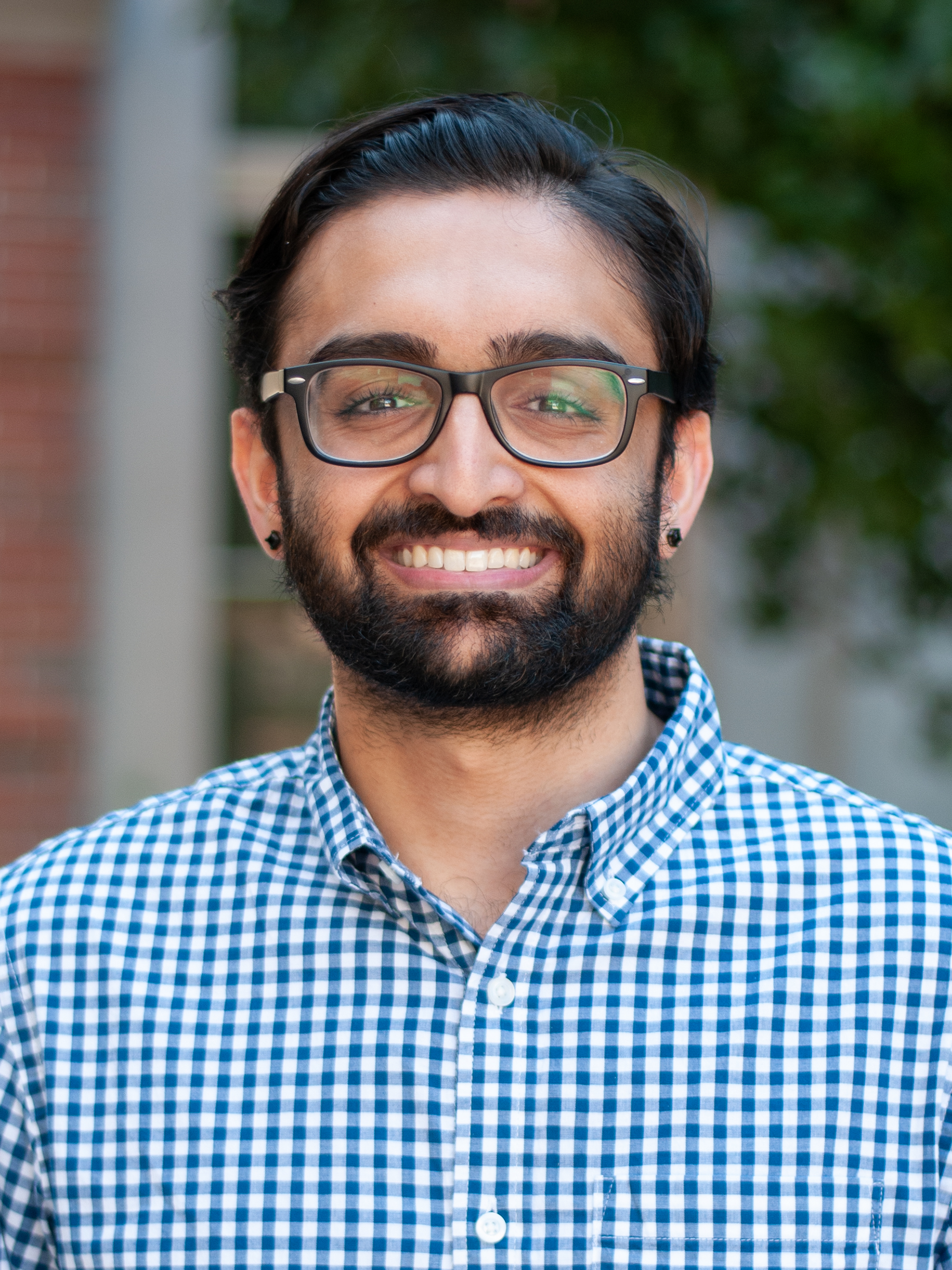
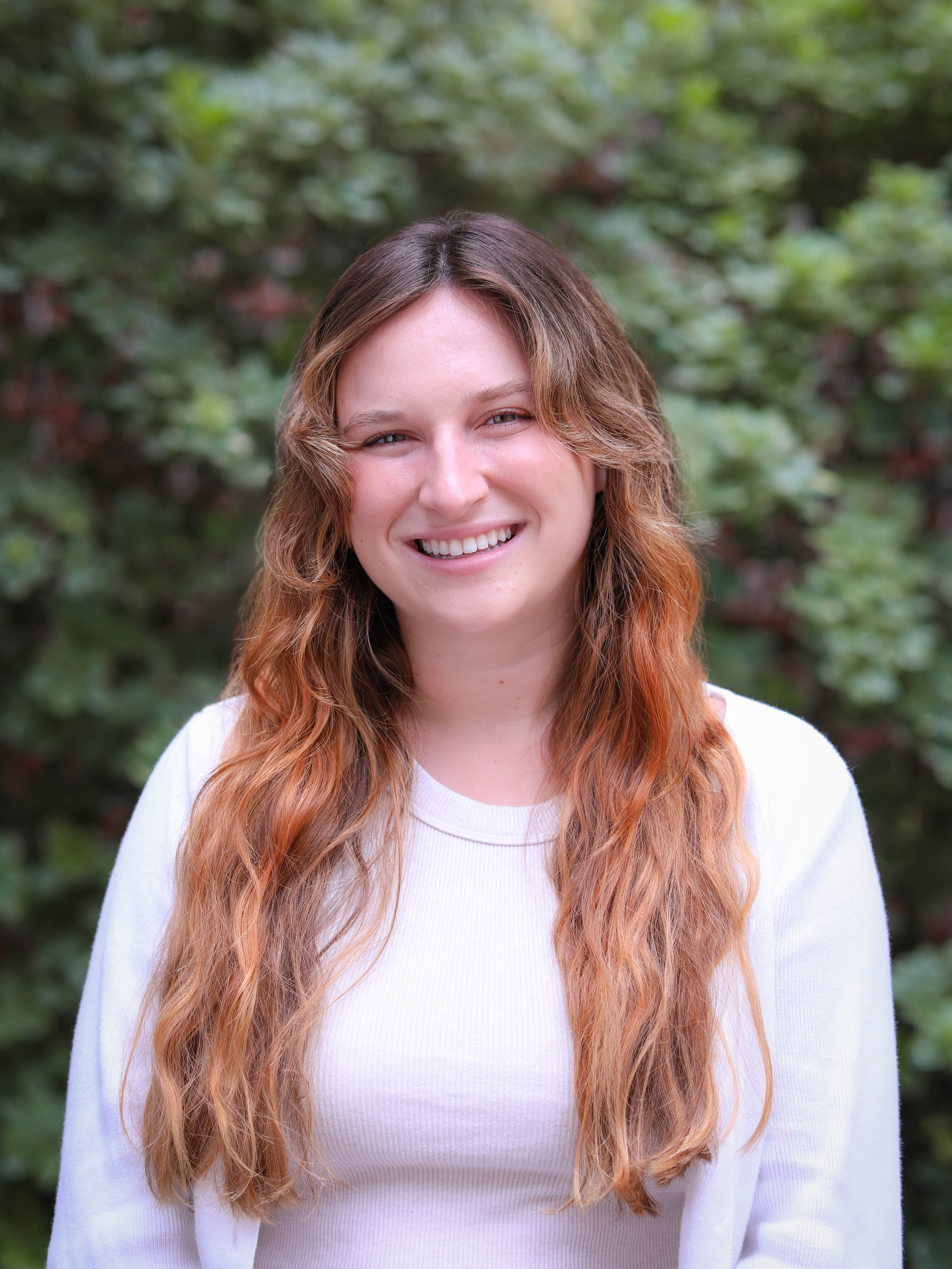
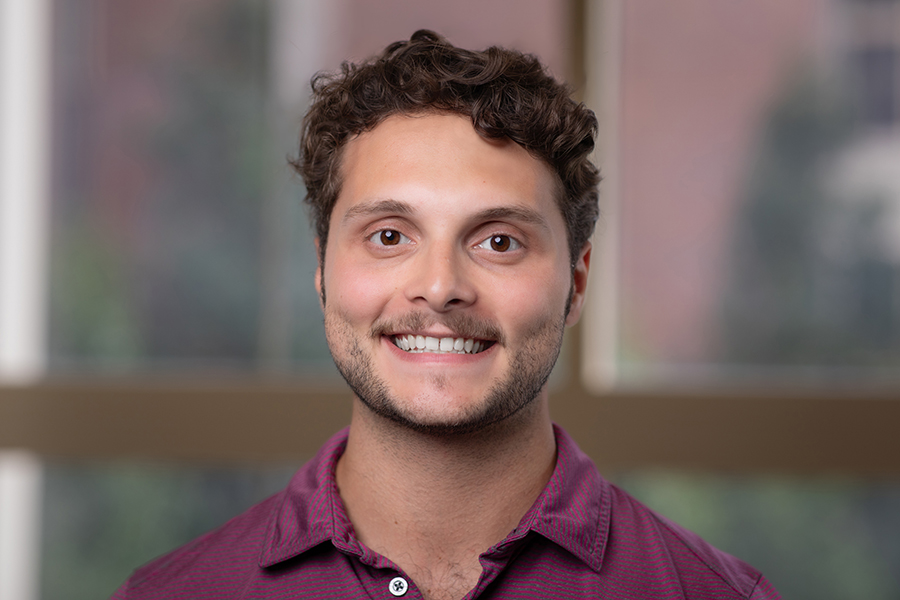
Tapan graduated from Southeastern University with a B.S. in Psychology and from University of North Carolina–Chapel Hill with his M.S. in Clinical Rehabilitation and Mental Health Counseling. Prior to coming to Florida State, Tapan worked with Drs. Jean Beckham and Nathan Kimbrel in the Traumatic Stress and Health Research Lab at the Durham Veterans Affairs Healthcare System and Duke University Medical Center for two years. There he worked on studies of nonsuicidal self-injury, moral injury, substance use, and PTSD in veterans. His research interests include the development and validation of technology-based assessments and interventions for obsessive-compulsive and related disorders as well as anxiety and trauma related disorders. He is also interested in quantitative methodology including structural equation modeling, multilevel modeling, and machine learning.
James graduated from Dartmouth College with a B.A. in Philosophy and Economics and from Teachers College, Columbia University, with an M.A. in Clinical Psychology. Prior to joining the Cougle Lab, James worked as a clinical research coordinator at Talkspace. While at Talkspace, he worked principally on developing assessments of therapist competence and identifying predictors of client engagement. His research interests include digital interventions for anxiety, natural language processing, and relational change processes in psychotherapy.
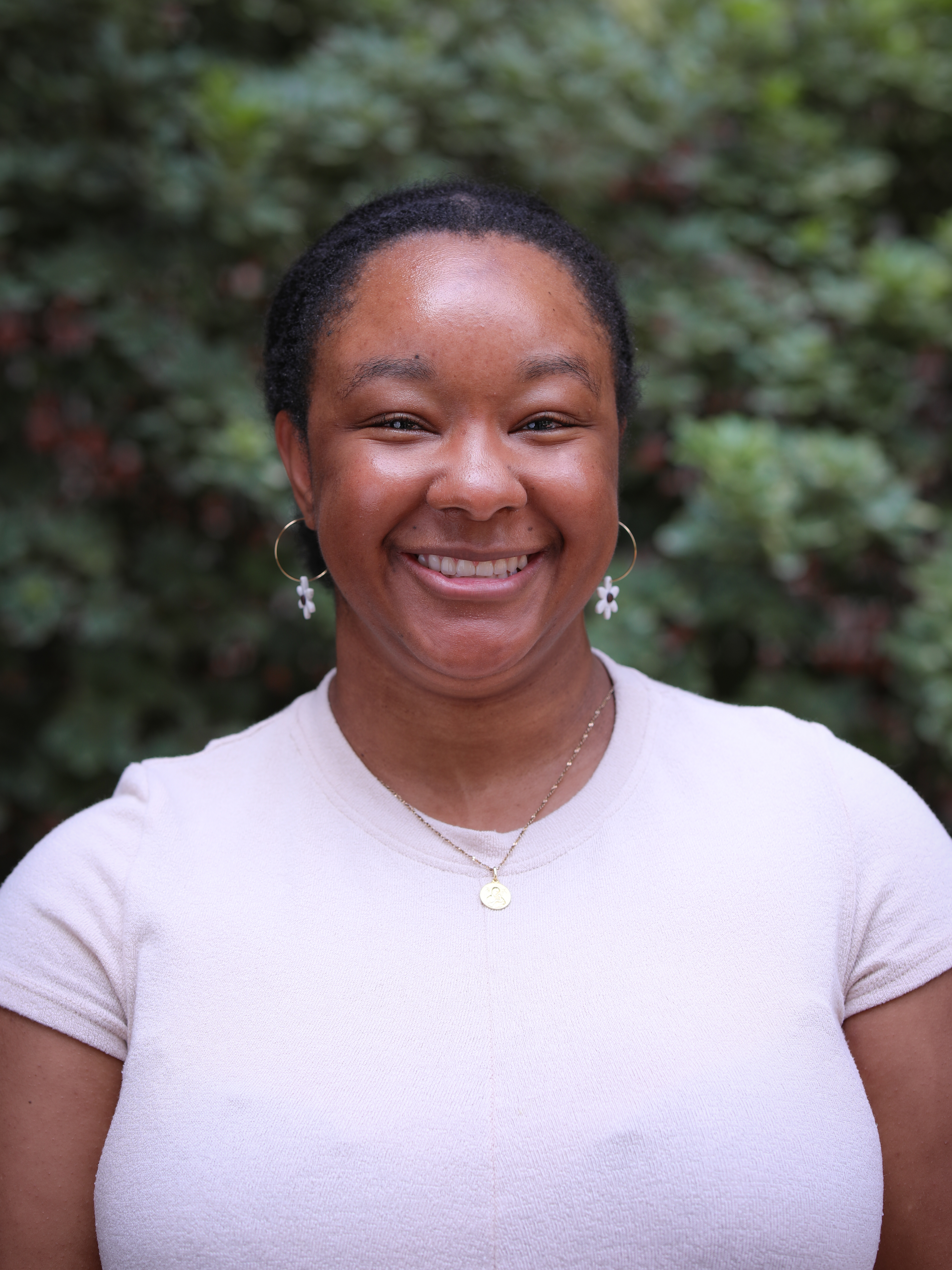
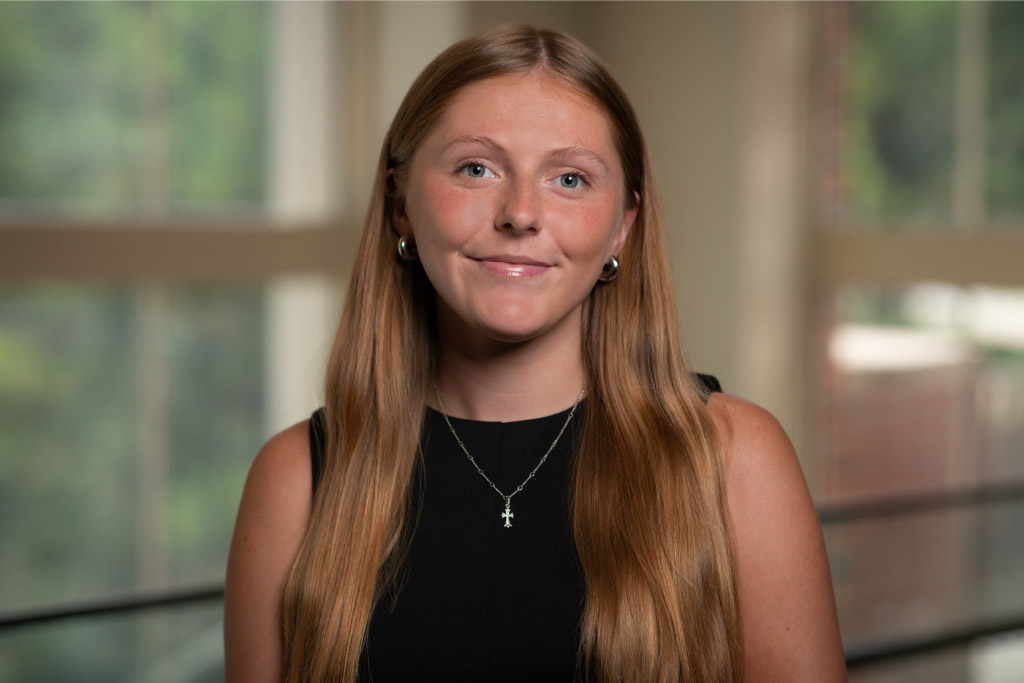
Victoria graduated from Auburn University with a B.A. in Psychology and from the University of North Carolina-Wilmington with her M.A. in Psychological Science. Prior to coming to Florida State, Victoria worked with Drs. David Goldston and Kate Nooner on the NCANDA Study at the Duke University site for two years. During her time there, she examined substance use in adolescents over time related to brain changes. Her research interests include developing targeted intervention and prevention programs aimed at evaluating risk factors and enhancing resilience in those who have experienced trauma, with the goal of supporting long-term resilient mental health. She is also interested in examining social support, loneliness, and attachment styles in the context of social anxiety and trauma.
Maddie graduated from William & Mary with a B.S. in Psychology. Prior to coming to Florida State, Maddie worked as a research assistant/diagnostic interviewer at the Rhode Island Hospital through Brown Universitys Warren Alpert Medical School. During this time, she also pursued an external collaboration with the OCD Institute at McLean Hospital, where she examined the impact of ACT-informed ERP on OCD outcomes. Her research interests include the development of transdiagnostic, technology-based interventions for obsessive-compulsive and related disorders as well as anxiety and depressive disorders. She is also interested in examining particular transdiagnostic features maintaining these disorders such as reassurance seeking and perfectionism.
Matt graduated from the University of South Florida with a B.S. in Marine Biology and a minor in Psychology. Prior to coming to Florida State, Matt worked as a research assistant for two years at the Uniformed Services University of the Health Sciences. There he worked on studies of suicide within military populations, specifically aimed at improving suicide prevention, intervention, and postvention programs within the Department of Defense. His research interests include developing and validating interventions that target transdiagnostic factors associated with anxiety disorders such as affect instability and treatment seeking. He is also interested in developing and evaluating interventions aimed at cultivating meaning and purpose in life in the context of anxiety disorders.
Allison N. Perez is the Lab Manager of the Cougle Lab. She will be graduating from Florida State University in Spring 2025 with a B.S in Psychology and a minor in Child Development. Along with her lab manager position here at the Cougle Lab, Allison has served as a DIS assistant in the lab, a crisis text line volunteer, a member of the Undergraduate Research Opportunity Program at FSU, a committee member for the Mental Health Council, an Honors Program student, and is currently completing her honors thesis under Dr. Cougle’s supervision. After graduation, she plans on working in various research settings and later applying to graduate school for a PhD in either Clinical Psychology or Neuropsychology. Her research interests currently involve neuropsychology, anxiety disorders, and the connection that exists between social media platforms and mental health.
Sarah Redden is a postdoctoral fellow at Dartmouth Hitchock Medical Center.
Nora Mueller is a licensed Clinical Psychologist at the Cognitive Behavior Institute in Pittsburgh, Pennsylvania.
Katherine McDermott is a postdoctoral fellow at Massachusetts General Hospital.
Lauren Stentz is a clinical psychologist in the Tampa VA Health Services department.
Natalie Wilver is a licensed Clinical Psychologist.
Hillary is a Clinical Psychologist in the Orlando VA Healthcare System.
Berta Summers is a licensed Clinical Psychologist who is also affiliated with the Center for OCD and Related Disorders at Massachusetts General Hospital.
Richard is currently an assistant professor at Auburn University.
Shivali is currently a pediatric psychologist and assistant professor at Cincinnati Childrens Hospital and the University of Cincinnati respectively.
Kristin is currently a clinical psychologist, co-owner, and director of clinical training at RISE Center for OCD and Anxiety.
Kirsten is currently a Clinical Associate in the Department of Psychiatry and Behavioral Sciences at Duke University Medical Center.
Dr. Cougle is planning to accept a new graduate student for Fall 2026. Apply Now!
If you would like to join the Cougle Lab as an undergraduate research assistant, please fill out our application.
* denotes student author
Perhaps you’ve taken part in one of our studies and found the experience meaningful. Or maybe you’ve heard about our work and would like to help advance it. Our goal is to continue developing effective, science-based treatments for mental health challenges.
If you’d like to contribute, you can make a tax-deductible donation to directly support our research here!