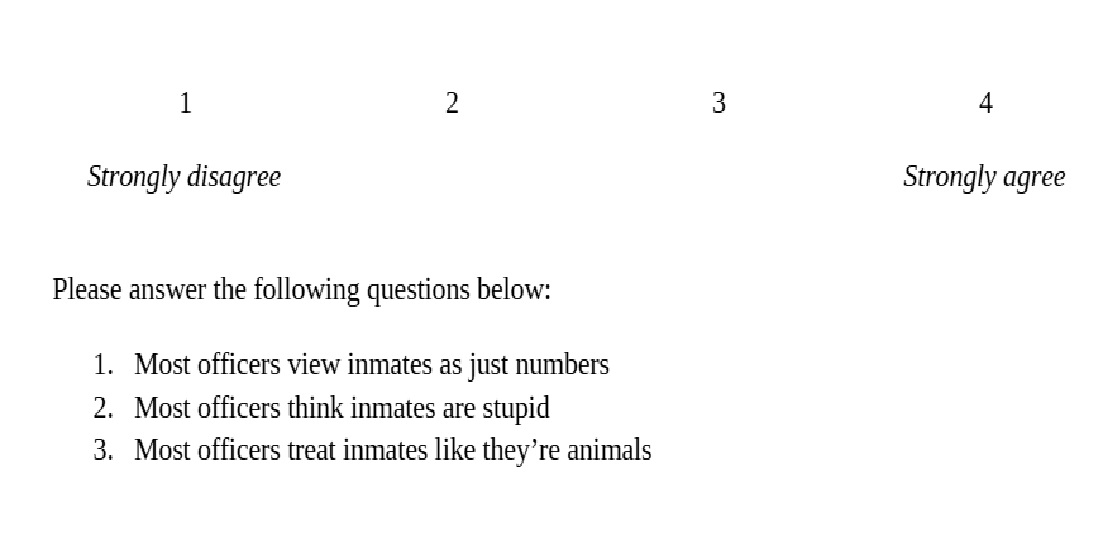
Validated Self-Report Questionnaires
Thwarted Belongingness and Perceived Burdensomeness
Interpersonal Hopelessness
Capability for Suicide
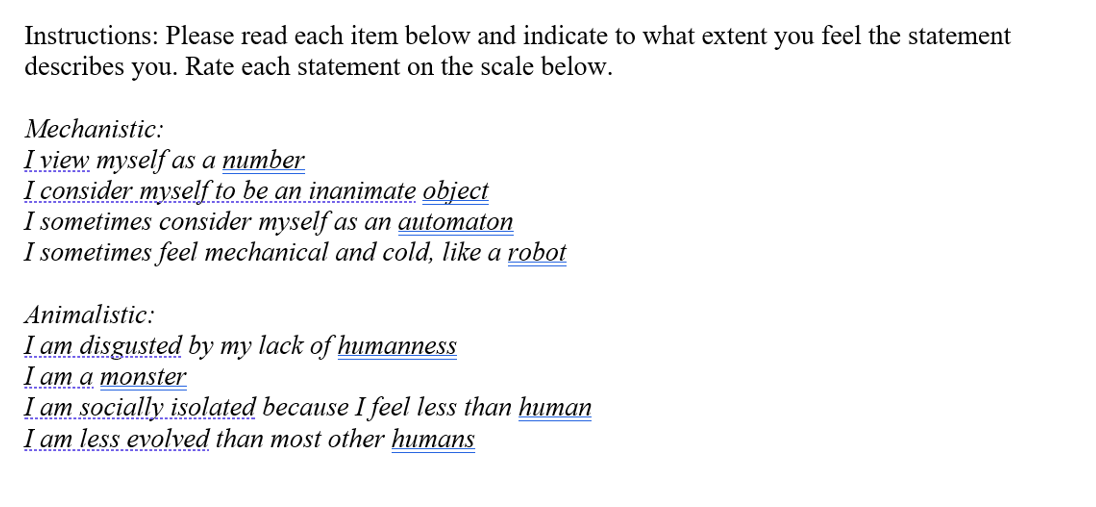
Self-Dehumanization
Mental Health and community support Resources
resources Available to anyone Anywhere within the united states
Immediate Mental Health or Suicide Crisis Support
- Suicide & Crisis Lifeline: Provides free, confidential, 24/7 crisis support for people experiencing suicidal thoughts, emotional distress, mental health concerns, or substance use-related crisis
- Call or text 988
- Spanish-language support:
- Call 988 and press 2
- Text AYUDA to 988
- options for additional resources
- Deaf/Hard of Hearing support:
- call 988 and select Videophone
- chat online
- call 711-988
- Crisis Text Line: Provides free, confidential, 24/7 text-based crisis support from trained crisis counselors
- Text HOME to 741-741
- Spanish-language support: Text AYUDA to 741-741
- TheHopeLine: Provides free online support and resources for teens and young adults experiencing emotional distress, relationship stress, anxiety, depression, self-harm concerns, or other difficult situations
- chat online
If you feel that you are unable to keep yourself safe, please seek immediate evaluation for inpatient care. This can be done by going to the nearest emergency room and/or calling 911.
Sexual Assault, Domestic Violence, Disaster, and Harassment Support
- National Sexual Assault Hotline: Provides free, confidential, 24/7 support, information, and referrals for survivors of sexual assault and their loved ones. Operated by Rape, Abuse & Incest National Network (RAINN)
- Call 800-656-HOPE (4673)
- Spanish-language support
- StrongHearts Native Helpline: Provides free and confidential, 24/7 anonymous, and culturally appropriate support and advocacy for Native Americans and Alaska Natives impacted by domestic violence and sexual violence
- Call or text 844-762-8483
- Disaster Distress Helpline: Provides toll-free and multilingual confidential, 24/7, 365-day crisis counseling and emotional support for people experiencing distress related to natural or human-caused disasters
- Call or text 800-985-5990
- spanish-Language Support: Call or text 800-985-5990 and press 2
- deaf/Hard of Hearing Support:
- call 800-985-5990 and select videocalls
- select “aSL Now” online
- Right To Be (formerly Hollaback!): Provides resources and training to prevent, respond to, and intervene in harassment, including street harassment, workplace harassment, online harassment, and other forms of identity-based harassment
LGBTQ+ Support
- The Trevor Project: Provides free, confidential, 24/7 crisis support for LGBTQ+ young people through phone, text, and online chat
- Call 866-488-7386
- Text START to 678-678
- LGBT National Help Center: Provides free and confidential peer support, information, and local/national resources through national hotlines and online programs for LGBTQ+ people
- Call 888-843-4564
- coming out support hotline: Call 888-688-5428
- Youth Talkline: Call 800-246-7743
- Senior Hotline: Call 888-234-7243
- Options for Additional resources
- Trans lifeline: Provides peer support and resources by and for trans people
- Call 800-985-5990
Culturally Responsive and community-specific Support
- Mental Health Association for Chinese Communities: Provides free and confidential mental health warmline support 9am-9pm PST (12PM-12AM EST) for Chinese communities in Mandarin, Cantonese, and English
- Call 800-881-8502
- Call BlackLine: Provides peer support, counseling, reporting of mistreatment, and affirmation for people impacted by systemic oppression, with a focus on Black, Black LGBTQI+, Brown, Native, and Muslim communities
- Call 800-604-5841
Treatment Referrals, Peer Support, and Ongoing Mental Health Resources
- SAMHSA National Helpline: Provides free, confidential, 24/7, 365-day treatment referral and information for individuals and families facing mental health and/or substance use concerns
- Call 800-622-hELP (4357)
- TTY: 800-457-4889
- Spanish-language support: Call 800-662-4357 and select “español”
- National Alliance on Mental (NAMI): Provides free mental health support, information, education, referrals, and peer-led support options monday-Friday, 10am-10pm EST for individuals and families affected by mental illness
- Call 800-950-NAMI (6264)
- text NAMI to 62640
- Mental Health America: Provides mental health information, screening tools, and referrals to local mental health services and support programs
- Call 800-969-NMHA (6642)
- Warmline Directory: Provides a national directory of peer-run warmlines for non-emergency emotional support. Availability, hours, and eligibility vary by state
finding a mental health provider
- Insurance Provider Directory: Contact your insurance provider for a list of covered mental health providers in your geographic area
- Call the member services number on the back of your insurance card
- Psychology Today Therapist Directory: Provides a searchable directory of therapists, psychologists, counselors, psychiatrists, treatment centers, and support groups
Local, florida state university, and tallahassee mental health and community resources
Local Crisis, Warmline, and Community resource support
- Apalachee Center Mobile Response Team Crisis Line: Provides free, 24/7 mental health crisis support, assessment, intervention, and linkage to appropriate care for individuals experiencing a mental health crisis in Leon, Liberty, Franklin, Gadsden, Jefferson, Madison, Taylor, and Wakulla Counties
- Call 800-342-0774
- 211 big bend: Provides free, confidential, 24/7 crisis counseling, suicide prevention support, emotional support, and referrals to local community resources in the Big Bend area
- Call 211 or 850-617-6333
- text your zIP code to 898-211
- tTY 850-921-4020
- Florida CLEAR Warmline: Provides non-crisis peer support 4pm-10pm 7 days/week (including holidays) for individuals with mental health concerns who want to talk with someone who has personal experience coping with mental health challenges
- Call 800-945-1355
- NAMI Tallahassee: Provides local mental health support, education, advocacy, and free peer-led support groups for individuals and families affected by mental illness
- Call 850-841-3386
- Email admin@Nami-Tallahassee.org
If you feel that you are unable to keep yourself safe, please seek immediate evaluation for inpatient care. This can be done by going to the nearest emergency room and/or calling 911.
If you Do Not feel comfortable calling 911 and are in the greater tallahassee area, you may call the local mobile response team at 800-342-0774.
FSU Psychotherapy and Counseling Services:
- FSU Children’s Learning Clinic: Provides evidence-based psychological assessment and individual psychotherapy services for suspected attention, learning, or behavioral difficulties through FSU’s Clinical Psychology program
- Call 800-644-3006
- FSU Center for Couple and family therapy: Provides therapy services for individuals, couples, and families through FSU’s Marriage and Family Therapy program
- Call 850-644-1588
- FSU Anxiety and Behavioral Health Clinic (ABHC): provides Evidence-Based Psychotherapy Services for Anxiety And related disorders through FSU’s Clinical Psychology Program
- Call (850) 645-1766
- Email abhcFsu@psy.Fsu.Edu
- TalkCampus at FSU: Provides free, confidential, 24/7 peer support for FSU students through a mobile app and online platform. Students can discuss stress, anxiety, loneliness, college adjustment, and other concerns with trained peer supporters and students around the world
- Call 800-644-7161
Dr. Thomas Joiner is the clinic Director of the Florida State University Psychology Clinic.
Call 800-644-3006
FSU Advocacy, Case Management, and reporting
- FSU Victim Advocate Program (VAP): Provides free, confidential, 24/7 support and advocacy for FSU students, faculty, and staff impacted by crime, violence, abuse, harassment, or other victimization
- Call 800-644-7161
- text 850-756-4320
- Email victims-Advocate@fsu.edu
- fSU Case Management Services (CMS): Provides emotional support, advocacy, identification of immediate needs, and referrals Monday-Friday 8am-4pm to campus and community resources for FSU students
- Call 850-644-9555
- Email caseManagement@fsu.edu
- Report FSU: Provides a centralized place to report incidents or concerning behaviors involving the FSU community, including student organization concerns, hazing, discrimination, harassment, or other safety concerns